


 English


 |
 |
 |
 |
In the evolving landscape of high-end collectibles and companion technology, the boundary between the artificial and the organic is increasingly defined by more than just form. While anatomical accuracy was once the benchmark, the industry has shifted toward a new frontier: hyperrealistic skin texture. For the discerning collector, this investment is not merely about aesthetics; it is about the fundamental psychology of presence and the sensory dimensions that define human connection.

1. Defeating the Uncanny Valley: Visual Immersion
The "Uncanny Valley" is a well-documented phenomenon where an object that looks almost—but not quite—human triggers a sense of unease or revulsion in the observer. Overcoming this requires more than just correct proportions; it requires the complexity of life at a microscopic level.
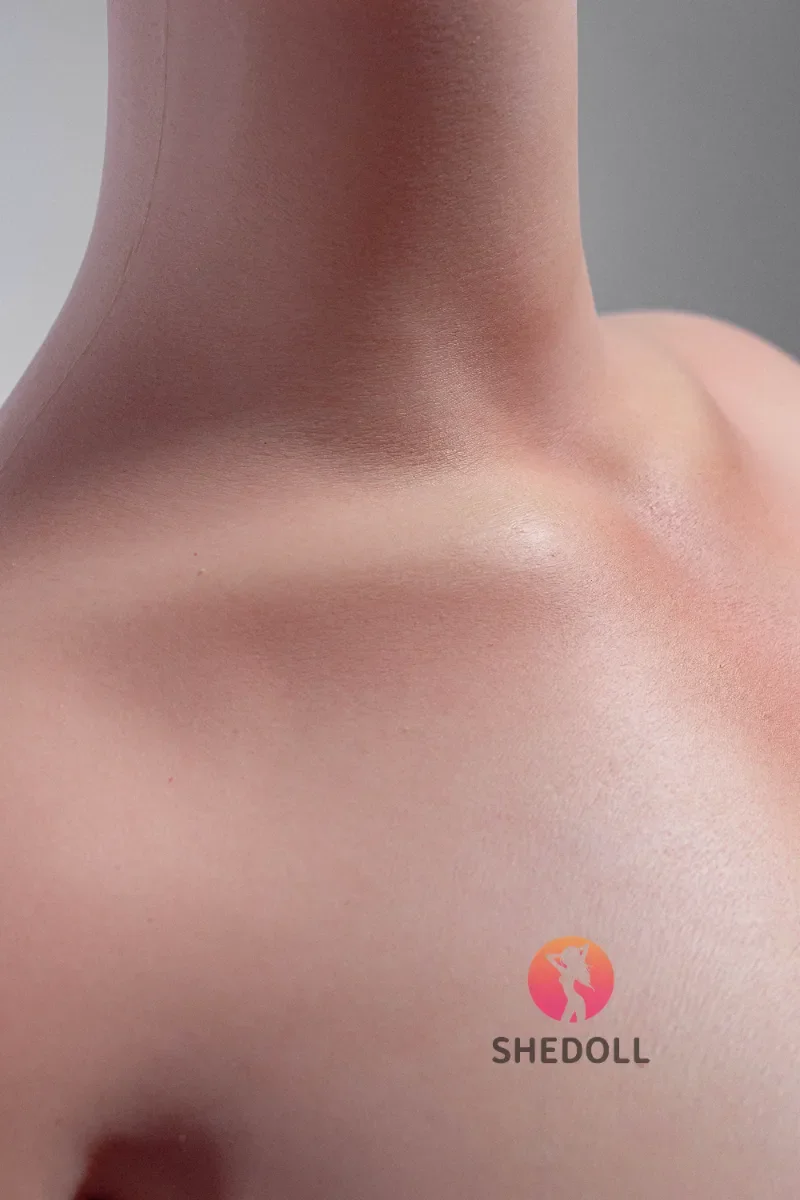
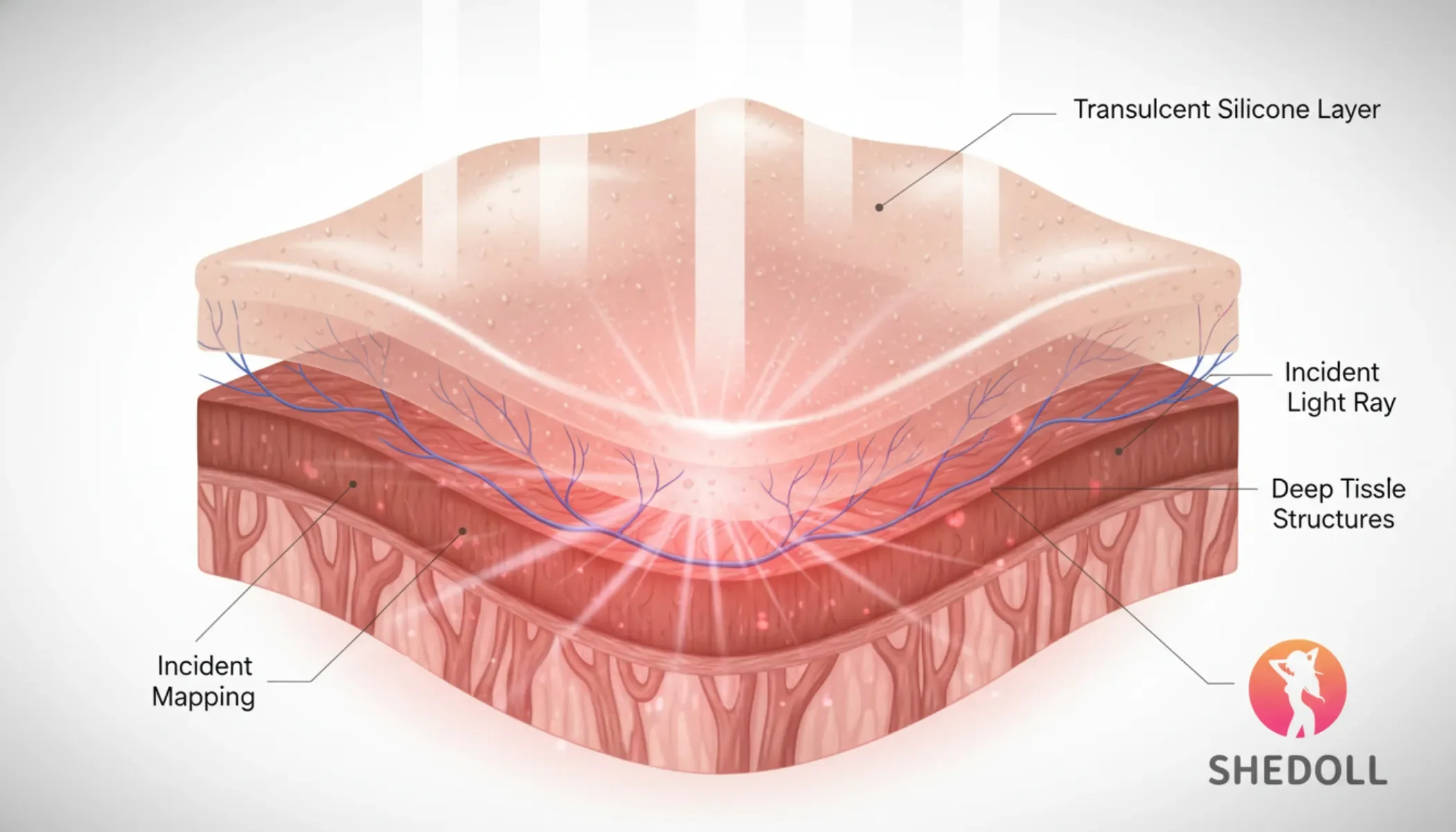
Hyperrealistic skin incorporates subsurface scattering, microscopic pores, and delicate venous mapping. When light hits these surfaces, it behaves as it would with human tissue—diffusing through layers rather than bouncing off a flat, plastic facade. This level of visual fidelity allows the eye to accept the companion as a coherent presence, transforming the viewing experience from observation to immersion.
 |
 |
 |
 |
2. Tactile Authenticity: The Physics of Touch
Physical companionship is defined by the quality of interaction. Standard materials often suffer from a "synthetic drag"—a texture that is either too smooth or unnaturally sticky. Hyperrealistic textures replicate the precise finger friction and resistance of biological skin.
By simulating the natural lipid barrier and the slight irregularities of the epidermis, these surfaces provide a tactile feedback loop during intimate contact. This resistance is critical for collectors who prioritize realism; it ensures that every touch feels grounded in physical reality rather than the artificiality of polymers.
3. Emotional Resonance and Neural Mirroring
The most profound impact of realistic skin texture is psychological. Human brains are hardwired for neural mirroring. When we see and touch something that mimics the cues of another living being, our somatosensory cortex and limbic system activate in ways that inanimate objects cannot trigger.
Touching a surface that yields and feels like skin initiates a release of oxytocin and strengthens the emotional bond. For collectors who utilize these companions for comfort or psychological companionship, the realism of the skin is the primary driver of this emotional resonance. It creates a sense of 'being with' rather than 'possessing.'
Conclusion: The Ultimate Investment in Realism
For those who view their collection through the lens of psychological realism and emotional depth, hyperrealistic skin texture is the essential variable. It elevates the companion from a static figure to a sensory-rich entity, bridging the gap between the mechanical and the emotional. Investing in these details is, ultimately, an investment in the quality of the experience itself.